How Root Canal Treatment Prevents Tooth Loss and Preserves Oral Health
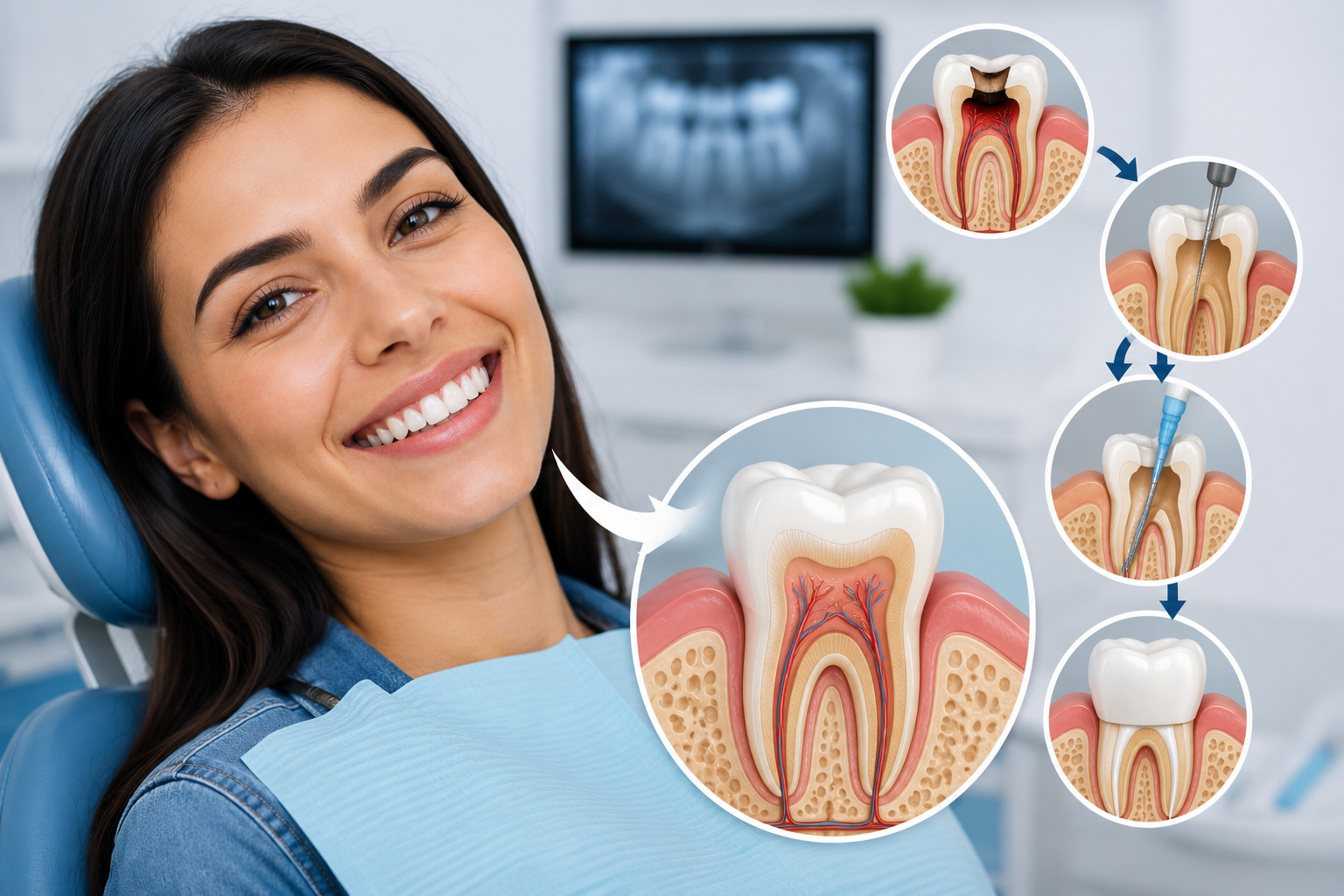
How Root Canal Treatment Prevents Tooth Loss and Preserves Oral Health Saving the natural tooth is a major goal of contemporary dentistry. If the pulp of the tooth gets infected because of deep cavities, injuries, or multiple dental procedures, urgent care is required in order to avoid further damage from an infection. Root canal treatment is a well-known method which involves removal of the infected tissue, killing the bacteria, and saving the tooth without damaging its natural structure. To the contrary of popular belief, root canal therapy aims at relieving pain rather than creating it. Due to the development of such diagnostic tools as dental X-rays and rotary endodontics, not to mention local anesthesia, the treatment can be considered predictable and very effective. Table of Contents Understanding Root Canal Treatment Why Root Canal Treatment Becomes Necessary Common Signs That Indicate Root Canal Therapy The Root Canal Treatment Procedure How Root Canal Treatment Prevents Tooth Loss The Importance of Preserving Natural Teeth Root Canal Treatment vs Tooth Extraction Recovery and Post-Treatment Care Choosing the Right Dental Professional Conclusion Frequently Asked Questions Call to Action Understanding Root Canal Treatment The process of root canal treatment, which is also referred to as endodontic treatment, is carried out in order to deal with infections or inflammations in the dental pulp, which is the soft tissue at the center of a tooth that consists of nerves and blood vessels. In the process of treatment, the infected dental pulp is extracted from the tooth, root canals are cleaned, shaped, and filled with an inert substance. Choosing an experienced Dentist in Kottayam ensures accurate diagnosis, appropriate treatment planning, and long-term preservation of the affected tooth. Why Root Canal Treatment Becomes Necessary The dental pulp may become infected for several reasons, including: Deep dental caries extending into the pulp Cracked or fractured teeth Trauma to the tooth Multiple restorative procedures on the same tooth Large or failing restorations Advanced bacterial infection If left untreated, pulp infection can progress to the surrounding tissues, resulting in dental abscesses, bone destruction, and eventual tooth loss. Common Signs That Indicate Root Canal Therapy Patients requiring root canal treatment may experience one or more of the following symptoms: Persistent or spontaneous toothache Pain during chewing or biting Prolonged sensitivity to hot or cold temperatures Swelling of the surrounding gums Tooth discoloration Tenderness near the affected tooth Formation of a dental abscess Swelling of the face in advanced infections It is important to note that some infected teeth may remain asymptomatic, making routine dental examinations essential for early detection. The Root Canal Treatment Procedure Root canal therapy follows a systematic clinical protocol designed to eliminate infection while preserving the tooth. Clinical Examination and Diagnosis The dentist performs a comprehensive examination using digital radiographs and clinical testing to evaluate the extent of pulp involvement and surrounding bone health. Local Anaesthesia Local anaesthesia is administered to ensure patient comfort throughout the procedure. Isolation of the Tooth A rubber dam is commonly placed around the tooth to maintain a sterile treatment environment and prevent contamination. Cleaning and Shaping the Root Canals After accessing the pulp chamber, infected tissue is removed. The canals are cleaned, disinfected, and shaped using specialised endodontic instruments. Canal Obturation Once thoroughly disinfected, the canals are filled with a biocompatible material that seals the internal space and prevents bacterial re-entry. Final Restoration Following successful root canal therapy, the tooth is restored with a permanent filling or crown to protect it from fracture and restore normal function. Patients undergoing rootcanal treatment in kottayam benefit from modern endodontic techniques that improve treatment precision and clinical outcomes. How Root Canal Treatment Prevents Tooth Loss Eliminates the Source of Infection The procedure removes infected pulp tissue and significantly reduces bacterial contamination within the root canal system, preventing further spread of infection. Preserves the Natural Tooth Rather than extracting the affected tooth, root canal therapy retains the existing tooth structure, allowing it to remain functional within the dental arch. Maintains Jawbone Integrity Retaining a natural tooth helps preserve the surrounding alveolar bone by maintaining normal stimulation during chewing, reducing the risk of bone resorption. Prevents Tooth Migration Tooth extraction may allow adjacent teeth to drift into the empty space, resulting in bite irregularities and alignment problems. Preserving the natural tooth helps maintain proper occlusion. Restores Functional Efficiency Following appropriate restoration, the treated tooth continues to support effective chewing, speech, and overall oral function. The Importance of Preserving Natural Teeth Saving a natural tooth offers several long-term clinical benefits, including: Preservation of natural chewing efficiency Maintenance of facial aesthetics Support for adjacent teeth Prevention of bone loss Reduced need for prosthetic replacements Improved long-term oral health outcomes Whenever clinically feasible, preserving the natural dentition remains the preferred treatment approach. Root Canal Treatment vs Tooth Extraction Root Canal Treatment Tooth Extraction Preserves the natural tooth Removes the affected tooth Maintains chewing efficiency May require prosthetic replacement Preserves surrounding bone Bone resorption may occur Prevents shifting of adjacent teeth Adjacent teeth may drift Restores natural function Additional restorative procedures may be necessary Supports long-term oral health May increase future treatment requirements Although extraction may be necessary in certain advanced cases, root canal treatment is generally the preferred option when the tooth can be predictably restored. Recovery and Post-Treatment Care Recovery following root canal treatment is generally uncomplicated. Mild tenderness for a few days is normal and can usually be managed with prescribed medications. Patients are advised to: Avoid chewing hard foods until permanent restoration is completed. Maintain excellent oral hygiene. Brush and floss regularly. Attend scheduled follow-up appointments. Report persistent pain or swelling to the dentist promptly. Long-term success depends on proper restoration and routine preventive dental care. Choosing the Right Dental Professional Successful root canal therapy requires specialised knowledge, clinical expertise, and modern equipment. When selecting a dental practice, consider: Experience in endodontic procedures Advanced diagnostic technology Digital
How Root Canal Treatment Prevents Tooth Loss and Preserves Oral Health Read More »